
Everything you need to know to make your puppy a good hunting dog
Every hunter who has worked alongside a good dog knows this: there's nothing like seeing your four-legged companion do what you've taught it, follow a scent until it finds game, stand firm at the sight of a feather, or enter a thicket without hesitation. But getting there requires a long journey. Hunting with dogs isn't just about breed or instinct; it's about dedication, consistency, and a strong bond. And that journey begins when the puppy is barely tall enough to reach the ground.
In this blog we will detail how to train a hunting dog from puppyhood, which breeds are most commonly used depending on the type of hunting, the phases involved in training, and the tools available to you to do it well, such as the support of specialized associations like AEPES , which promote the training of guides and tracking dogs throughout Spain.
The most recommended breeds for hunting
Each type of hunting has its own needs and, therefore, its most suitable breeds. Choosing a dog solely based on looks or reputation can be a mistake if it doesn't match your hunting style or the terrain you frequent.
Scent dogs
These are the most commonly used for tracking cold trails of wild boar, deer or roe deer, both in driven hunts and in blood hunts:
-
Spanish Hound : strong, resilient, and with an exceptional sense of smell. Ideal for dense undergrowth and long trails.
-
Blue Gascony Griffon : tenacious, somewhat lighter, and with a balanced temperament. Very common in mountainous areas.
-
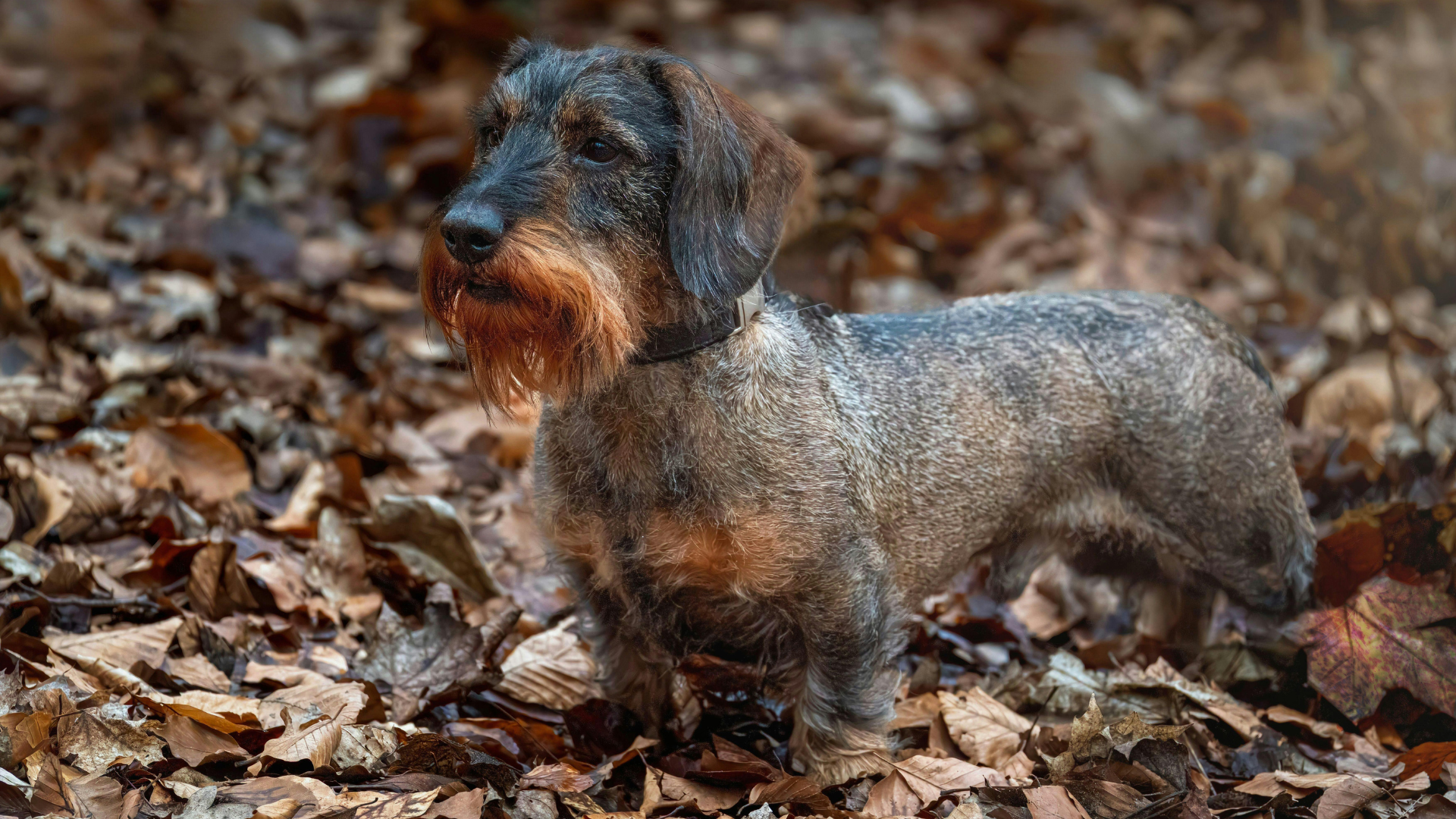
Wirehaired Dachshund : smaller in size, very active, perfect for enclosed terrain where persistence is required.
-
Bavarian Mountain Hound : specialized in blood tracking. Highly valued by AEPES.
Pointing dogs
For those who practice small game hunting by flushing or stalking birds such as partridge, quail or woodcock:
-
German Shorthaired Pointer : very versatile, combines pointing, retrieving and tracking.
-
English Pointer : fast, instinctive and a great marker in wide areas.
-
English Setter : excellent in cold or humid areas, very effective with woodcock.
Retrievers
-
Labrador retriever : obedient, hardworking, ideal for retrieving on a scent, in water or in difficult areas.
-
Golden retriever : more leisurely, but just as effective at retrieving, especially waterfowl.

Stages of dog training
Training begins on day one. Don't wait until your dog is "big" to start working with you. Every stage of growth plays a role in your dog's development.
1. Socialization (2 to 4 months)
At this stage, the goal is to create a confident dog. It needs to be familiar with other animals, people, noises, surfaces, and situations. Poorly managed fear at this stage can lead to problems later on.
Have him come with you in the car, to the countryside, to the village. Introduce him to different situations. Play should be part of it, but with limits: learn to correct him without violence.
2. Basic obedience (4 to 6 months)
Before you expect your dog to follow a scent, it needs to know how to respond to your voice. Commands like "come," "stay," "sit," and "no" must be internalized. Use positive reinforcement, a long leash, and consistency. A dog that doesn't obey in the yard won't obey on a hunt either.
Avoid harsh punishments or frustration. The dog needs time and repetition. What matters is not speed, but the solidity of the learning.
3. First contact with the field (6 to 10 months)
Start introducing him to the environment where he will be working: fields, undergrowth, noises, water. You can drag a piece of game for him to follow, hide dead game and let him find it, introduce him to the sounds of gunshots from a distance and gradually from closer up.
Here you can start to see if it has a good sense of smell, if it follows with its nose, if it is afraid, if it gets distracted easily… Everything counts.
4. First real days (10 to 14 months)
At this age, you can already take him on hunting trips, even if just as an observer. Ideally, he should be accompanied by experienced dogs who can "teach" him how to behave. Don't expect him to do everything perfectly: there will be mistakes, lapses in concentration, unnecessary turns, or he might lose the scent. Patience and the example set by the group are key.
Don't overexpose him or put him in situations that will overwhelm him. Less is better, but better if done well than much is done poorly.
The value of training: the role of AEPES
For those who work with tracking dogs, the Spanish Bloodhound Association (AEPES) is an essential resource. They offer training for handlers, organize practical workshops, and collaborate with hunters and managers to improve the recovery of injured animals in big game hunting.
Furthermore, AEPES promotes the controlled use of scent hounds, providing training in specific tracking, marking, signaling, and ethical blood-related techniques. If your goal is to have a truly effective dog in the field, training with them can make all the difference.

Final tips from the field
-
Training a hunting dog takes time. If you can't dedicate the necessary hours, it's best to wait.
-
Hunting is trained year-round. A dog isn't trained in just a couple of outings in October.
-
The bond between hunter and dog is more important than instinct. If it respects you, it will work for you.
-
Health is also something you train: deworming, vaccinations, feeding, pads… everything counts.
-
Be fair: don't demand what you haven't taught him.
Training a puppy into a good hunting dog is a long but deeply rewarding journey. A well-trained hunting dog isn't a tool; it's a partner. It will read your every move, anticipate your every step, and when everything clicks, you'll hunt as one. That connection, that moment when you know it understands everything without a word, is what makes all the effort worthwhile.
If you want to take your hunting dog's training and monitoring to the next level, Iocus GPS collars are an essential tool. Designed for discerning hunters, they allow you to locate your dog in real time, track its movements, know if it's standing still, tracking, or barking, and retrieve its entire movement history from your mobile device. Whether on driven hunts, stalks, or blood hunts, an Iocus collar gives you peace of mind, security, and a complete overview of your dog's work in the field. Because proper training also means knowing where your dog is and what it's doing, at all times.

Author: María Balletbó