
Is hunting misunderstood in the media?
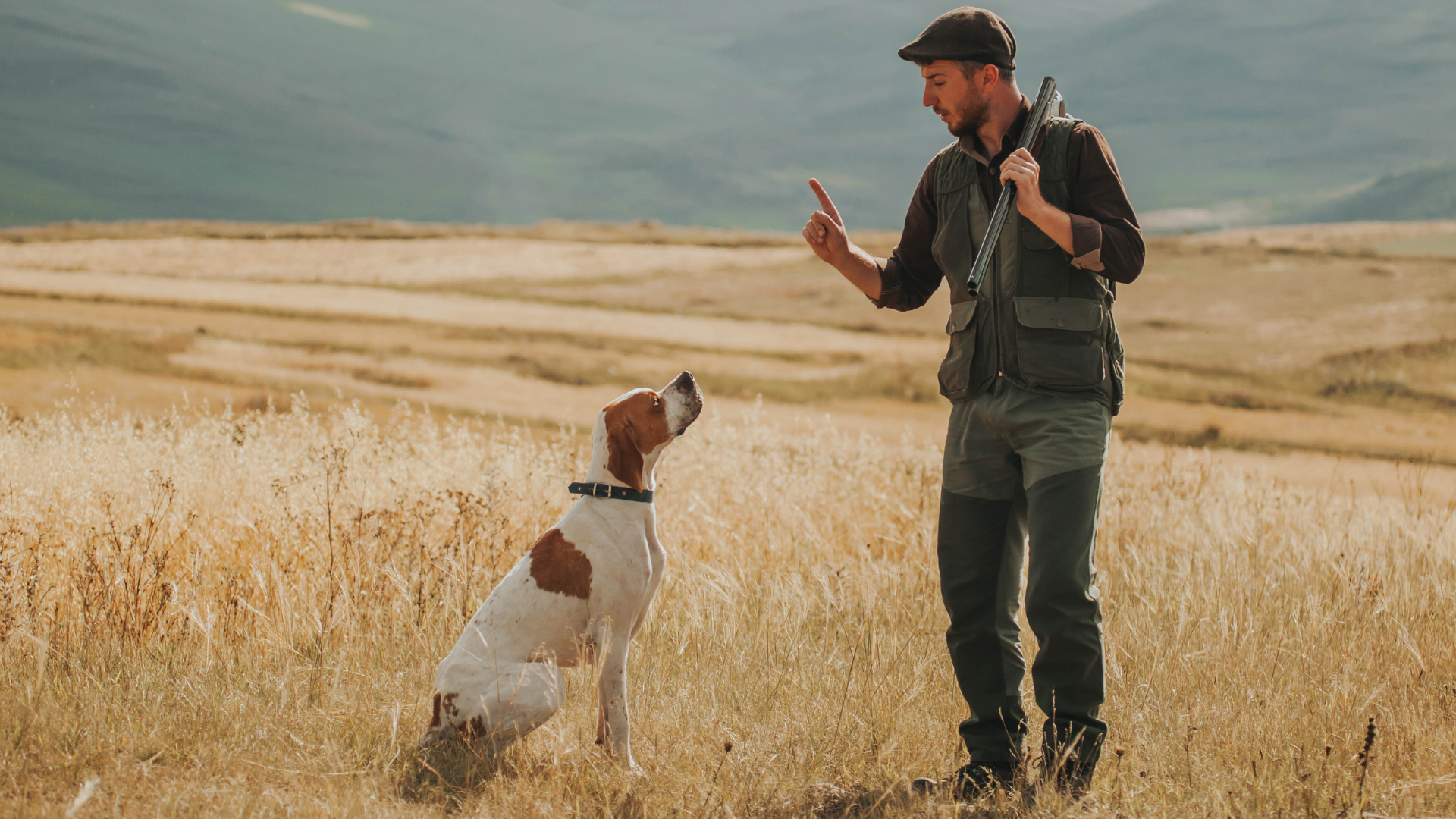
In recent years, hunting has been the subject of debate, often stemming from a lack of understanding. For some, it is an ancestral activity, a way to connect with nature, and a fundamental tool for land management. For others, it is a violent and unnecessary practice.
But what role do the media play in this perception? And what are the real arguments that support hunting?
In the age of easy clicks and viral videos, hunting is often portrayed in a reductionist way: a slain animal, a weapon, a pose. All context—ecological, legal, cultural—is eliminated, and a message is conveyed that generates automatic rejection.
This simplification eliminates key details such as:
-
The strict legal regulations governing hunting seasons, species, and areas.
-
The role of the hunter as an ecosystem manager.
-
The cultural, social, economic and educational wealth that hunting represents in many rural communities.
When you only look at the final picture and not the entire process, the message loses nuance. And with it, understanding.
We rarely see on television or in the press the hunter who gets up early, who respects the land, who shares his knowledge with young people, or who transforms his game into food. Nor do we usually hear about the days when there's no hunting, or when the goal isn't to shoot, but to observe, care for, and understand.

For those willing to go beyond the headline, here are some key facts and arguments that support its value:
1. Population control
Hunting acts as a management tool to prevent the overpopulation of species such as wild boar or deer, which without natural predators can cause damage to the ecosystem, crops and road safety.
2. Habitat and biodiversity conservation
Far from harming nature, many studies show how regulated hunting contributes to the maintenance of natural spaces and the balance between species. Investment in conservation by hunting reserves and federations is key.
3. Fire and pest prevention
Hunting activities contribute to the cleaning of forests, the opening of paths and the control of invasive species, helping to prevent fires and other ecological disasters.
4. Protection of threatened species
In many cases, the presence of regulated hunting has contributed to the recovery of endangered species, such as the Iberian lynx, thanks to the improvement of its habitat and the monitoring of its prey.
5. Support for rural areas
Hunting generates employment, helps maintain population levels in rural Spain, and sustains villages that depend on this activity for their survival. It is an economic and social engine in thousands of municipalities.
6. Food sustainability
Game meat is organic, chemical-free, has a low environmental impact, and is highly nutritious. Furthermore, it promotes a more direct, respectful, and conscious relationship with natural resources.
7. Broad social support
Contrary to popular belief, the majority of citizens understand the usefulness of hunting as a tool for environmental balance, provided it is practiced ethically, legally, and responsibly.
Hunting is much more than an image. It's management, culture, food, sustainability, territory, and commitment. If we want to discuss it, we must first understand it in depth.
And for that, it is essential to recover the context that the media have lost.
