
Hunting generates more than 10 billion euros annually and supports almost 200,000 jobs in Spain.
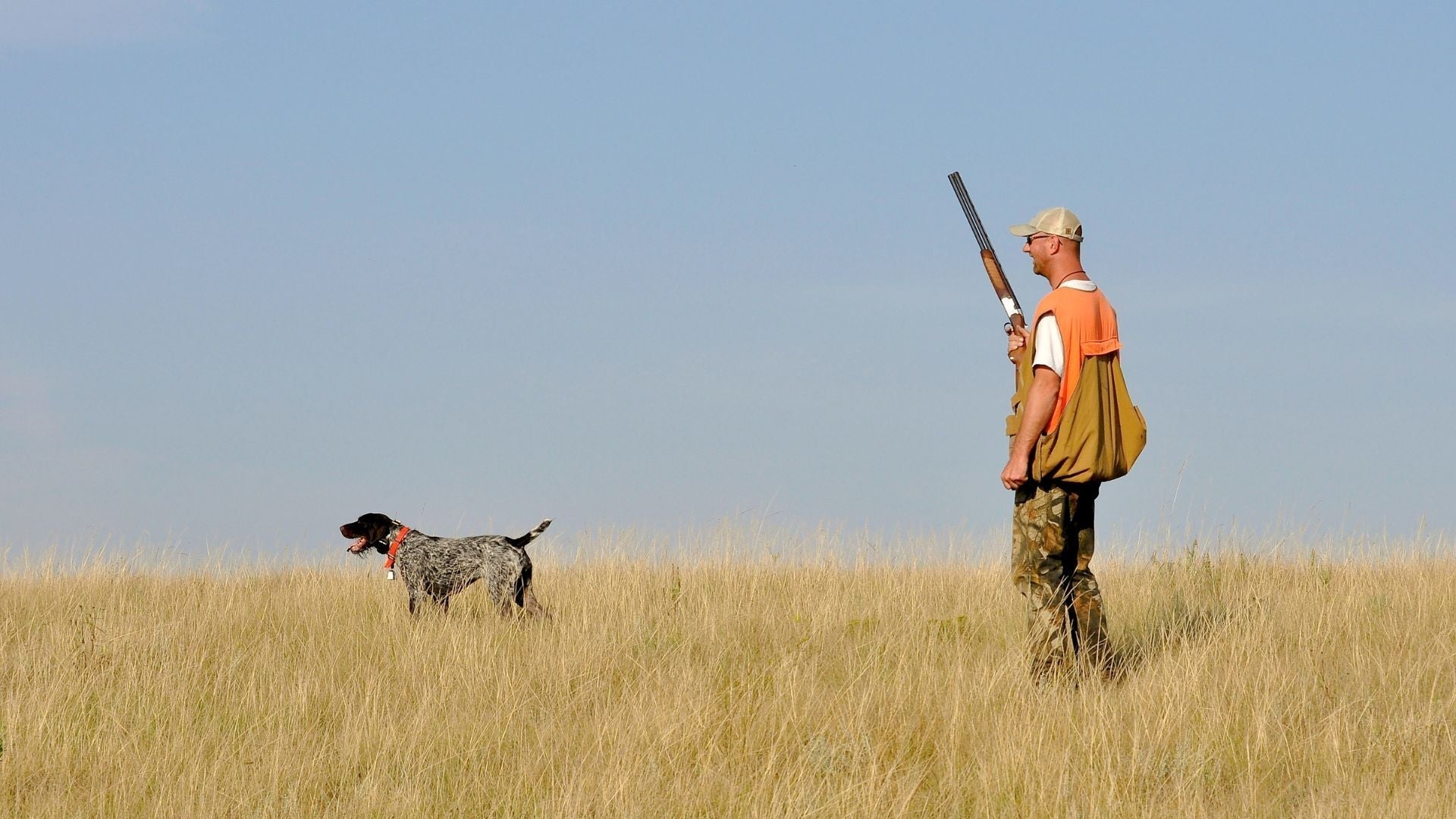
Hunting is consolidating its position as a leading economic driver in Spain. According to the new Study of the Economic, Social and Environmental Impact of Hunting in Spain , prepared by the consulting firm Deloitte for the Artemisan Foundation in collaboration with the Ministry of Agriculture, Fisheries and Food (MAPA), hunting generates €10.19 billion in Gross Domestic Product (GDP) annually and 199,000 jobs, of which 45,642 are direct.
The study, presented this Tuesday at the College of Civil Engineers in Madrid, reveals that hunting also contributes €1.2 billion in tax revenue each year. Furthermore, it highlights its contribution to combating depopulation: 80% of direct jobs are concentrated in rural areas, and 32.6% of hunters reside in municipalities with fewer than 5,000 inhabitants, where hunting is a key factor in retaining the population.
To compile the data, more than 6,500 surveys were conducted among hunters, hunting dog handlers, hunting reserve managers, hunting organizers, government agencies, and companies in the sector. The data also provides an economic profile of the average hunting enthusiast: a hunter spends €12,069 per year, a hunting dog handler €14,539, a hunting reserve owner €73,704, and a hunting organizer €139,384.
A direct investment in agriculture and conservation
Spain has 43 million hectares designated as hunting reserves, representing 85% of the national territory. Hunters invest €320 million annually in conservation within these reserves, through activities such as providing water and food, planting crops, and clearing vegetation. Of this amount, €289 million is allocated directly to management measures and €31 million to species conservation programs.
The report highlights the key role of hunters in the protection of emblematic species: 58% of hunting reserve owners and 67% of hunting organizers declare that they have protected species in their reserves, and a significant part actively participate in conservation projects.
Security, agriculture and population control
Hunting also plays a preventative role in road safety and agriculture. In 2023, 83.7% of the 35,047 traffic accidents caused by wildlife involved game species, primarily wild boar and roe deer, which accounted for 73% of the total.
On the other hand, hunting permit holders and organizers paid over €11 million in compensation for agricultural damage. These figures highlight the regulatory role of hunting on expanding species and its contribution to the balance of ecosystems.
Institutional and cross-cutting support
The presentation event was attended by high-level representatives from the sector and the administration: José Luis López-Schümmer, president of the Artemisan Foundation; Ana Rodríguez, general secretary of Agricultural Resources and Food Security of the MAPA; and Amaia Quintana, director of Deloitte, among others.
The subsequent round table included leaders from the Royal Spanish Hunting Federation, the Spanish Confederation of Hotels (CEHAT), the Ministry of Agriculture, Fisheries and Food (MAPA) and the Interprofessional Association of Game Meat (Asiccaza), reflecting the cross-cutting and strategic nature of hunting activity.
With this data, the study by Fundación Artemisan and Deloitte reinforces the position of hunting as a key activity for rural development, environmental conservation and the national economy, beyond its traditional cultural and social dimension.

Author: María Balletbó