
How to remove a tick
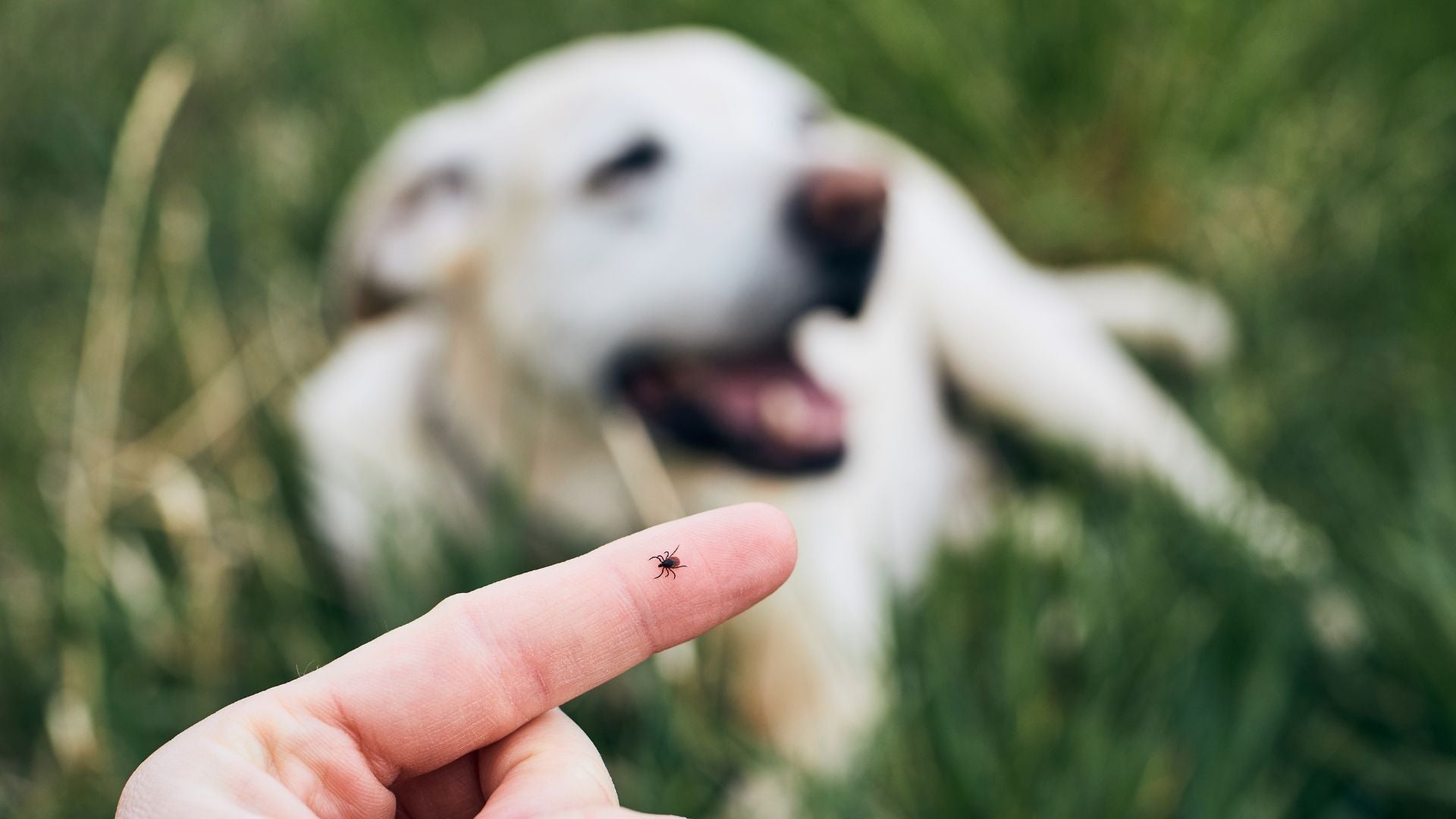
With the arrival of warmer weather and increased vegetation, the presence of ticks also rises. These small mites feed on the blood of animals and humans. Health authorities and veterinary associations warn of the importance of taking extra precautions during spring and summer, when these parasites reproduce more easily.
According to the National Association of Environmental Health Companies (Anecpla), ticks pose a serious threat, especially in natural environments such as fields or forests. In statements reported by Animal's Health , the association's president, Sergio Monge, advises always checking skin and fur after walks in high-risk areas, particularly in warm areas of the body such as the neck, armpits, or behind the ears. If a tick is found, Monge insists on removing it as soon as possible using the proper technique and, if possible, preserving it for later analysis.
In addition to affecting humans, ticks pose a serious risk to dogs, as they can transmit diseases such as Lyme disease , caused by the bacterium Borrelia burgdorferi .
How to remove ticks from dogs?
Ticks often attach themselves to areas of thin skin such as the ears, eyes, neck, or between the toes. To remove them safely, it is recommended to:
1. Special tick tweezers: These are sold in pet stores and veterinary clinics. Grasp the tick as close to the skin as possible and pull gently upwards without twisting, to avoid leaving any fragments on the animal.
2. Chamomile: A chamomile infusion applied with gauze can help the tick detach. The plant acts as a natural repellent, antiseptic, and anti-inflammatory.
3. Boiled lemon: Boil cut lemons in water for one hour. Using a spray bottle, apply the liquid to the affected area (never near the eyes or nose).
4. Olive oil: Applying a few drops directly to the tick makes it difficult for it to breathe and facilitates its removal.
5. Apple cider vinegar: Mixed with water in equal parts, apply with a cotton ball or gauze, gently pressing on the parasite until it comes loose.
After the removal, it is essential to disinfect the area and observe the animal for the following days for any signs of infection or illness. But dogs and humans are not the only ones affected; roe deer suffer from this animal just as much as any other.

How do ticks affect roe deer?
Roe deer ( Capreolus capreolus ), a deer species common on the Iberian Peninsula, also suffer the consequences of increased tick populations during spring. Living in habitats with abundant vegetation and humidity, these animals are particularly vulnerable.
Ticks can cause anemia, skin infections, and even transmit serious diseases such as piroplasmosis , caused by protozoa that destroy red blood cells. In severe cases, massive infestations can significantly weaken the animal, affecting its mobility, behavior, and even its ability to survive during times of scarcity or mating season.
Furthermore, the areas where these parasites are concentrated often coincide with areas where roe deer pass through, which favors the spread of diseases through other wild or domestic species.
Taking preventative measures, checking pets after walks, and knowing the proper techniques for removing parasites are essential to protecting their health. Whether at home, on a hike, or while hunting or wildlife watching, vigilance and responsibility are key. Prevention and early intervention can make the difference between a minor inconvenience and a serious illness.
Author: María Balletbó