
Spanish hunters set the European course in the study of the quail
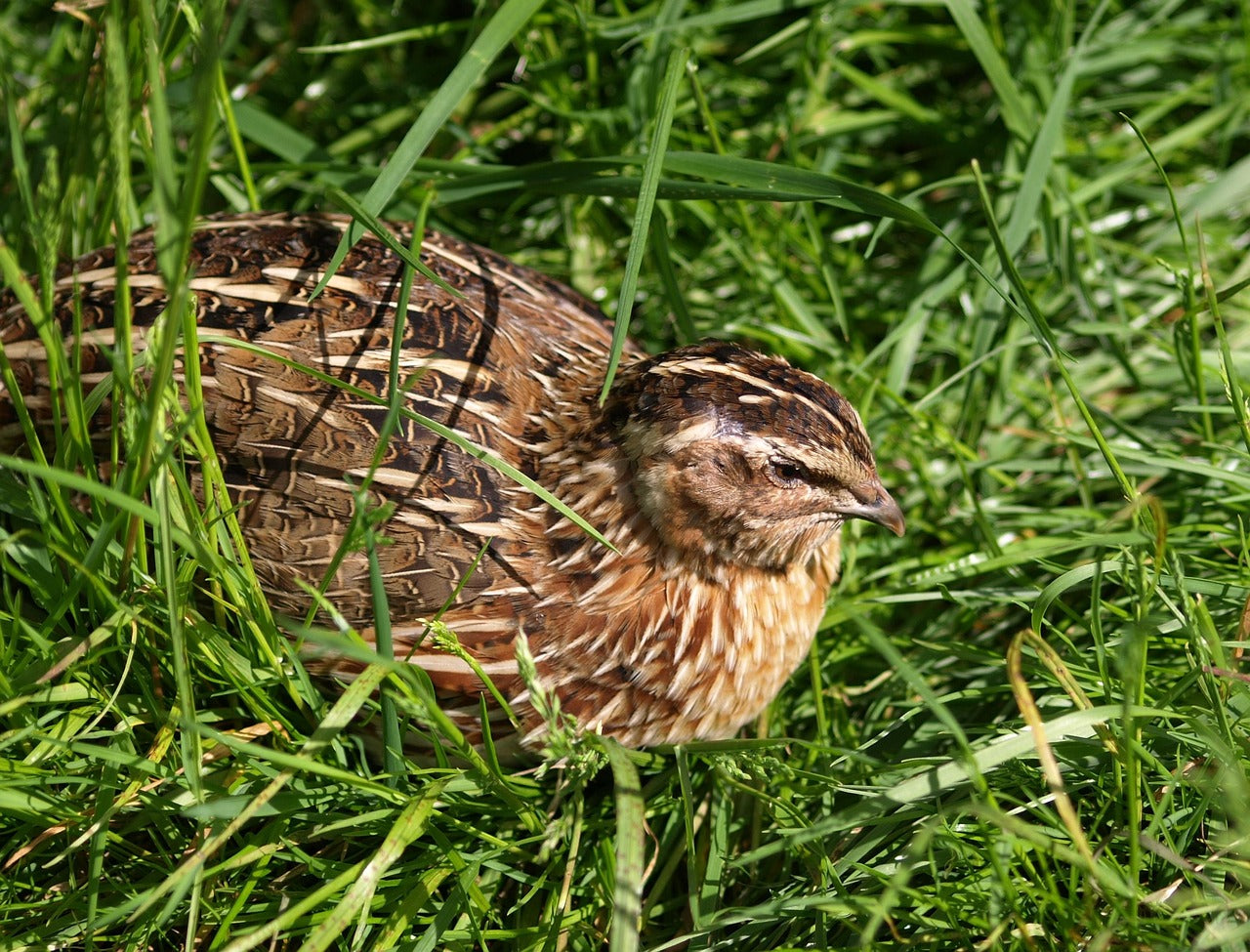
The quail conservation and monitoring model being developed in Spain has sparked growing international interest. This is the Coturnix project, an initiative led by the Artemisan Foundation and supported by Mutuasport , the mutual insurance company for registered hunters, which has allocated more than €400,000 to its development since its inception. Now, this ambitious project has begun to serve as a benchmark for several European countries.
During a recent visit to Castile and León, technicians and representatives from organizations in Croatia, Italy, France, and Portugal learned firsthand about the Quail-Specific Monitoring Method (SEC) , an active monitoring system that is revolutionizing how this species is studied in Europe. The visit was organized by the European Federation for Hunting and Conservation (FACE) , highlighting the growing importance of the quail at the continental level.
The SEC method, developed by the University of Barcelona, represents a step forward compared to traditional passive census systems, such as those used in SEO/BirdLife's SACRE program. Unlike these, Coturnix's approach allows for monitoring tailored to the characteristics of the quail, a species difficult to observe using conventional methods due to its elusive behavior and high mobility.
Since 2023, the project has deployed more than thirty monitoring points in regions such as Castilla-La Mancha, Extremadura, Andalusia, Navarre, and La Rioja. Through regular listening, capture, and ringing of males, the SEC collects key data on the presence, abundance, and evolution of the species during its reproductive period.
But beyond the technology, Coturnix has stood out for its ability to mobilize the hunting community. Since its launch in 2020, more than 5,000 hunters have contributed to the project by submitting samples and conducting censuses through the Hunting Observatory . In total, more than 65,000 quail wing samples have been collected, essential for accurately estimating the size of the western breeding population.
This collaborative effort has yielded solid and reliable data that is already informing management decisions by public authorities. As a result, Coturnix has not only become the largest study on the quail in Spain, but also a leading European scientific resource for the conservation and sustainable management of migratory species.
The quail, whose management has traditionally been characterized by imprecise estimates, now has a study model that other countries want to replicate. Thus, Coturnix demonstrates how collaboration between science and hunting can mark a turning point in biodiversity conservation.

Author: María Balletbó